
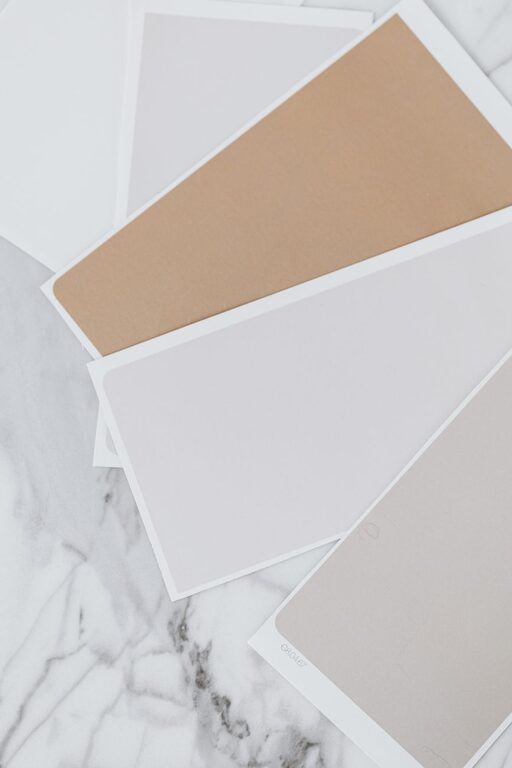
Creating a peaceful and relaxing atmosphere at home often starts with the colors you choose for your walls and décor. Calm colors can help reduce stress, promote relaxation, and make your space feel welcoming. But with so many options available, selecting the right shades can feel overwhelming.
In this post, we’ll share practical tips for choosing calm colors that suit your personality, lifestyle, and home environment.
Why Choosing Calm Colors Matters
Colors influence mood and energy. Bright, intense colors like reds and yellows can feel stimulating, while softer, muted colors tend to have a calming effect. When you pick calm colors for your home, you can:
– Create a restful retreat after a busy day
– Encourage relaxation in bedrooms and living spaces
– Enhance focus and clarity in work areas
– Foster a sense of balance and harmony
With that in mind, let’s explore how to select calm colors that work best for you.
Consider the Psychology of Colors
Different colors can evoke different feelings. Here are some popular calm color families and what they represent:
Blues and Greens
– Represent nature, sky, and water
– Associated with tranquility, freshness, and renewal
– Great for bedrooms, bathrooms, and living rooms
Soft Neutrals
– Include shades like beige, taupe, cream, and soft gray
– Feel warm and cozy without being overpowering
– Work well in almost any room to create a subtle backdrop
Pastel Shades
– Light versions of colors like lavender, peach, or mint
– Offer a gentle, airy vibe
– Ideal for nurseries, kitchens, or casual spaces
Tips for Choosing the Right Calm Colors
1. Test Your Colors in Different Lighting
Lighting affects how colors appear. Natural light changes throughout the day, and artificial lights vary in warmth. Before committing, paint sample patches on your walls and observe them at different times. This ensures you’re happy with how the hues look morning, noon, and night.
2. Start with a Neutral Base
Using neutral colors as your base walls gives you flexibility. Neutrals make it easier to add accents with calm colors through furniture, rugs, curtains, or pillows without overwhelming the space.
3. Use Color Swatches and Palettes
Gather paint swatches or create digital palettes to visualize how colors pair together. Often, combining two or three complementary calm colors can create a cohesive and soothing look.
4. Choose Matte or Satin Finishes
The finish of paint impacts the room’s mood. Matte or satin finishes absorb light, resulting in a softer appearance, whereas glossy finishes can be more reflective and stimulating.
5. Incorporate Natural Materials
Colors found in nature tend to feel calming. Consider wood accents, stone textures, or plants that echo the colors on your walls to create a harmonious environment.
6. Limit Bold Colors to Accents
If you love brighter colors, use them sparingly. Accent walls, throw pillows, or artwork can introduce vibrancy without disturbing the overall calmness.
7. Consider Room Purpose
Think about the function of each space:
– Bedrooms benefit from cooler tones like soft blues or lavenders
– Living rooms do well with warm neutrals and gentle greens
– Home offices might use muted greens or blues to promote focus
Common Calm Color Mistakes to Avoid
– Choosing colors based on trends alone: Trends change quickly. Pick colors you personally enjoy for long-term satisfaction.
– Ignoring undertones: Some colors have warm or cool undertones that affect how they work with lighting and other colors.
– Overusing too many colors: Too many shades can create visual clutter, defeating the calming purpose.
How to Refresh Calm Colors Over Time
Your preferences may evolve, and that’s okay. To refresh your space without full repainting:
– Swap accessories like cushions and curtains.
– Add new artwork in coordinating calm hues.
– Change lighting fixtures to enhance color perception.
Final Thoughts
Choosing calm colors for your home is a rewarding way to create a serene environment. By considering color psychology, lighting, finishes, and room function, you can design spaces that feel peaceful and inviting. Remember to take your time, test samples, and trust your instincts. Your home should reflect your unique sense of calm.
Happy decorating!