
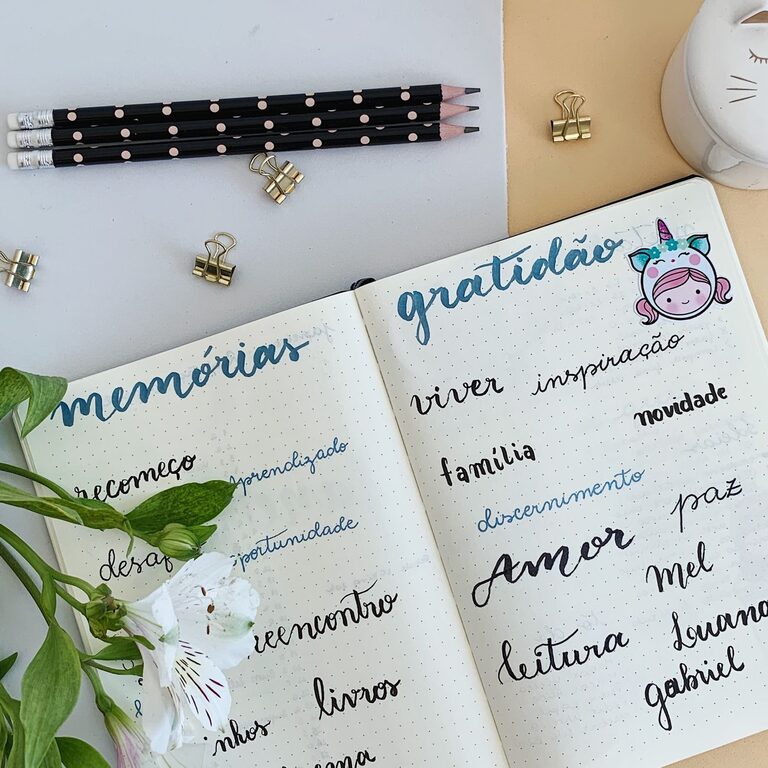
Starting a gratitude journal is a simple yet powerful way to cultivate a positive mindset and increase your overall happiness. By regularly noting what you are thankful for, you can shift your focus from challenges to blessings, helping you feel more content and balanced. If you’re new to gratitude journaling, this guide will walk you through everything you need to know to get started and maintain the habit.
What Is a Gratitude Journal?
A gratitude journal is a personal diary where you write down things in your life that you appreciate. These can be big or small – from a kind gesture by a friend to a beautiful sunset. The goal is to regularly reflect on moments of gratitude, which research shows can improve mood, reduce stress, and promote a sense of wellbeing.
Why Start a Gratitude Journal?
There are many benefits to gratitude journaling, including:
– Improved mood: Focusing on positive experiences can boost your emotional health.
– Better sleep: Reflecting on good things before bed may help you sleep more peacefully.
– Enhanced relationships: Gratitude encourages kindness and strengthens bonds.
– Increased mindfulness: Writing regularly helps you stay present and appreciate the moment.
– Greater resilience: Recognizing positives can help you cope with challenges.
Choosing Your Gratitude Journal
Before you begin, consider what kind of journal suits you best:
– Physical notebook: Some prefer writing by hand in a dedicated notebook or diary. Choose a size and style that inspires you.
– Digital journal: Apps and online tools offer convenience and accessibility on your phone or computer.
– Combination: You can also write on paper and later type or photograph your entries if you want to keep a digital backup.
Pick whatever format feels most natural and enjoyable.
How to Start Your Gratitude Journal
Follow these easy steps to begin your practice:
1. Set a Regular Time
Consistency helps build habits. Decide on a daily or weekly time to write in your journal. Many people find morning or evening works well, such as after waking up or before bed.
2. Keep It Simple
Start with just 3 to 5 things you are grateful for each day. These can be specific events, people, or simple pleasures. Here are some examples:
– “I’m grateful for the sunny weather today.”
– “I appreciate my friend’s thoughtful message.”
– “I enjoyed a delicious cup of coffee this morning.”
3. Be Specific
Writing specific details makes your gratitude more meaningful. Instead of “I’m grateful for my family,” try “I’m grateful for my sister calling me today and making me laugh.”
4. Include Why You’re Grateful
Adding a reason explains the impact or importance. For example, “I’m thankful for my cozy home because it helps me feel safe and relaxed.”
5. Use Positive Language
Focus on the positive experiences and feelings. This keeps your journal uplifting and motivating.
Tips for Maintaining Your Gratitude Journal
Keeping your gratitude journal going over time can be challenging. Here are some helpful tips:
– Set reminders: Use alarms or calendar alerts to prompt you to write.
– Make it enjoyable: Use colorful pens, stickers, or a beautiful notebook to make journaling fun.
– Reflect occasionally: Every few weeks, read back through your entries to reinforce positive feelings.
– Be patient: It takes time to build new habits. Don’t worry if you miss a day; just start again tomorrow.
– Combine with other practices: Pair gratitude journaling with meditation, affirmations, or mindful breathing for greater impact.
What to Do When You Don’t Feel Grateful
Some days can be tough, making gratitude journaling harder. Here are some ideas for those moments:
– Write about small things: Even noticing a warm cup of tea or a moment of quiet can help.
– Acknowledge challenges: You can also be grateful for your strength or the lessons learned.
– Use prompts: Try questions like “What made me smile today?” or “Who helped me recently?”
Sample Gratitude Journal Entry
Here’s a simple example of what a daily gratitude journal entry might look like:
—
Date: June 1, 2024
Today I’m grateful for:
- The morning sunshine that brightened my walk.
- A kind compliment from my colleague that boosted my confidence.
- A peaceful moment with my cat purring on my lap.
- The delicious homemade dinner I enjoyed with my family.
- Feeling rested after a good night’s sleep.
Why it matters: These moments remind me to slow down and appreciate everyday joys.
—
Final Thoughts
Starting a gratitude journal doesn’t require a big time commitment or special skills — just a willingness to notice and appreciate the good in life. With regular practice, your gratitude journal can become a valuable tool for nurturing happiness, resilience, and connection. Grab a notebook or open your favorite app today and start writing your way to a more grateful mindset!