
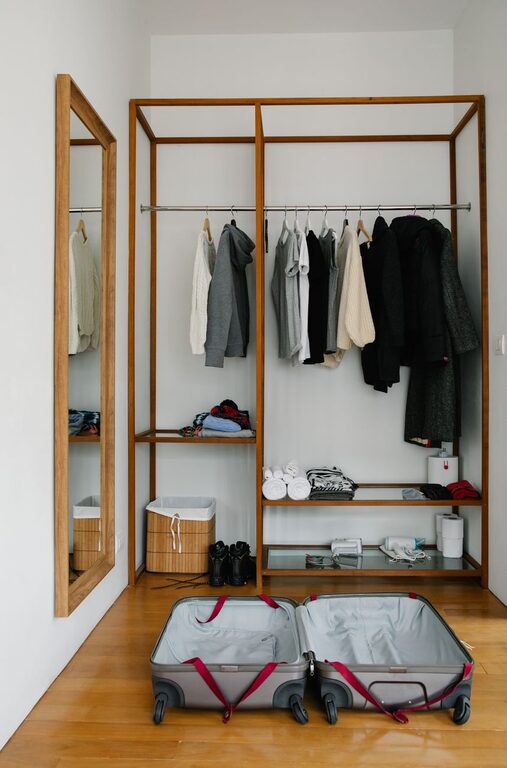
Storing seasonal clothes efficiently is a smart way to keep your home tidy and protect your garments until you need them again. Whether it’s summer dresses, winter coats, or holiday sweaters, knowing how to properly store these items can save space, prevent damage, and make your wardrobe management easier. Here’s a detailed guide to help you organize your seasonal clothes with ease.
Why Proper Storage Matters
Leaving clothes out of season in your closet can lead to clutter and make it harder to find what you need. Plus, improper storage can cause damage such as wrinkles, fading, moth holes, or mildew. Efficient storage keeps clothes in good condition, preserves your investment, and refreshes your living space.
Preparing Clothes for Storage
Before you pack away your seasonal clothes, it’s important to prepare them correctly.
Clean Everything First
– Wash or dry clean all items to remove dirt, sweat, and stains.
– Dirty clothes attract pests and can develop odors or mildew.
– Make sure clothes are completely dry before storing to prevent mold.
Repair and Sort
– Check for any damage like missing buttons, loose threads, or small tears.
– Mend these issues so clothes are ready to wear when you bring them out again.
– Sort clothes by category (shirts, pants, outerwear) or by family member to keep things organized.
Deodorize and Freshen
– Use gentle fabric sprays or natural options like baking soda to keep clothes smelling fresh.
– Consider placing lavender sachets or cedar blocks in your storage containers to repel insects and add fragrance.
Choosing the Right Storage Solutions
Selecting the best containers and methods is key to protecting your seasonal garments.
Use Breathable Containers
– Fabric storage bags and cotton bins allow air circulation, reducing the risk of moisture buildup.
– Avoid plastic bags or containers that trap humidity, unless they are climate-controlled.
Vacuum-Sealed Bags
– Great for saving space, especially bulky items like winter coats or blankets.
– However, vacuum bags compress fibers which may affect some delicate fabrics, so use cautiously.
Clear Plastic Bins with Lids
– Easy to stack and protect clothes from dust.
– Ensure the bins are airtight and moisture-proof, and add silica gel packets to absorb humidity.
Storage Boxes and Bins with Labels
– Label containers clearly based on contents for easy identification during seasonal swaps.
– Use uniform bins for a neat, stackable system.
Optimal Storage Locations
Where you store your seasonal clothes makes a big difference in their longevity.
– Cool, dry places like closets, under the bed, or in a clean attic are ideal.
– Avoid areas prone to extreme temperatures or moisture, such as basements or garages.
– Keep items off the floor to protect from pests and dampness.
Storing Different Types of Seasonal Clothes
Some clothes need special attention depending on their fabric and structure.
Knitwear and Sweaters
– Fold to avoid stretching and use acid-free tissue paper to maintain shape.
– Store flat in breathable boxes rather than hanging.
Dresses and Suits
– Use padded hangers to keep their shape.
– Cover with cotton garment bags to protect from dust.
Coats and Outerwear
– Clean thoroughly before storage.
– For bulky items, consider vacuum-sealed bags or spacious bins.
Shoes and Accessories
– Clean shoes and stuff them with paper to keep their form.
– Store in shoe boxes or clear bins, and keep accessories in separate labeled bags.
Seasonal Clothing Rotation Tips
To keep your wardrobe fresh and accessible, rotate your clothes each season.
– At the start of each new season, bring out the stored items and inspect them for any damage or odors.
– Wash or refresh as needed before wearing.
– Store last season’s clothes promptly and repeat the preparation process.
Additional Tips for Efficient Storage
– Declutter before storing: Donate or recycle items you no longer use.
– Maintain pest control with natural repellents or regular checks.
– Use shelving or closet organizers to maximize vertical space.
– Consider investing in a wardrobe app or checklist to track stored items.
Final Thoughts
Efficient storage of seasonal clothes can transform your living space into a more organized, clutter-free environment. Preparing, choosing the right storage methods, and maintaining your clothes during storage ensure they stay in great condition and are ready to wear when the season changes. With these easy, practical tips, you’ll enjoy a cleaner home and a simplified wardrobe all year round.